 3 months ago
194
3 months ago
194
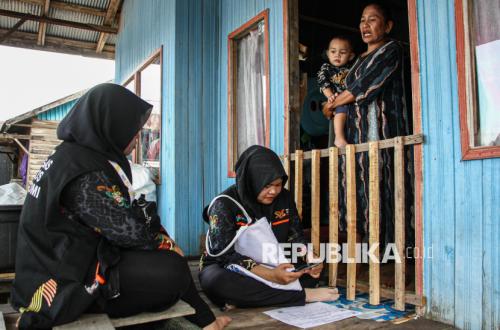
REPUBLIKA.CO.ID, JAKARTA -- Rising fuel prices that fuel inflation in the basic necessities sector directly hit the purchasing power of people, especially mustahik groups (zakat recipients) and citizens who are on the poor vulnerable line. The real impact is a significant escalation or increase in requests for assistance to zakat management institutions.
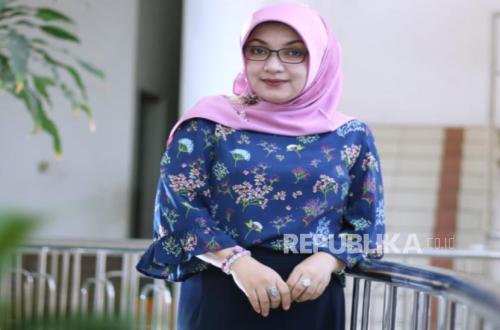
Vice Chairman of Badan Amil Zakat Nasional (Baznas) RI, KH Zainut Tauhid Sa'adi revealed that the highest appeals generally center on three crucial sectors. First, direct food aid to maintain the daily food security of the family. Second, education and public health are vulnerable, beginning to have trouble paying for school or medical expenses that are not covered by health insurance.
“Thirdly, the capital of microenterprises, many small businesses whose capital has been eroded due to the increase in raw material prices, so they need an injection of emergency funds so that their efforts do not roll over,” Kiai Zainut told Republika, Friday (12/6/2026)
regarding the strategic role of zakat, infak and alms (ZIS) in the face of economic pressure. Kiai Zainut said that ZIS is not just an instrument of ritual worship, but a pillar of the sharia economy that serves as a highly responsive social safety net.
He explained that Baznas has two schemes in dividing ZIS. First, consumptive (short-term) channeling, serves as a fire engine to meet basic needs (food, health) quickly so that vulnerable people do not fall into a deeper abyss of poverty. Second, productive (long-term) distribution, transforming ZIS funds into working capital, business support, and means of production in order to build people's economic independence.
“Indeed, through ZIS, wealth from the muzakki (zakat givers) flows directly into the real sectors of the lower society, thus keeping the money circulation flowing at the grassroots level and preventing economic stagnation,” said Kiai Zainut.
Innovation Institutions Facing Economic Pressure
Facing increasing economic challenges, zakat management institutions such as Baznas continue to transform and innovate programs.
Kiai Zainut said that among Baznas's work is fast-track digitization and responsive amyl. Optimizing digital-based aid submission systems as well as strengthening emergency response teams (such as Baznas Poverty Response) to cut red tape. So that emergency food or health assistance can be delivered in a matter of hours.
“Further, strengthening Community-Based Microfinance, to develop and expand the network of micro-units (such as Baznas Microfinance Village or similar programs) to provide interest-free access to capital (qardhul hasan) for small traders in order to free them from the lurch of lenders,” said Kiai Zainut.
He added that there is a Sustainable Food Security program. In this program, it not only distributes groceries, but also builds local food ecosystems such as food barn programs and the empowerment of ranchers or trained farmers. So that the supply of basic necessities for mustahik can be met independently and at a more stable price.
Baznas also performs data integration and institutional synergies. Synchronize poverty data so that aid distribution is on target and collaborates closely with various parties (government, private, and Islamic institutions) to create integrated and non-overlapping poverty alleviation programs.
“Zakat, infak, and alms are solutive instruments that are very relevant in addressing the inflation challenge,” Kiai Zainut said.
In the midst of the current economic pressure, Kiai Zainut affirmed, Baznas is committed to continue to stand at the forefront of being a bridge of concern for the people in order to safeguard the dignity, dignity and economic resilience of the vulnerable brothers.